Adding a fiber construction subcontractor crew can solve a production gap quickly, but only when capability, equipment and field expectations match the actual scope. A useful evaluation goes beyond asking how many people are available. It verifies whether the team can arrive prepared, work within the project system and document production consistently.
1. Define the construction scope first
A crew cannot price or prepare for a vague request. State whether the work is aerial placement, lashing, overlash, underground cable pulling, building entry, restoration support or a combination. Include the route footage, pole or handhole count, cable type, expected production and any known access constraints.
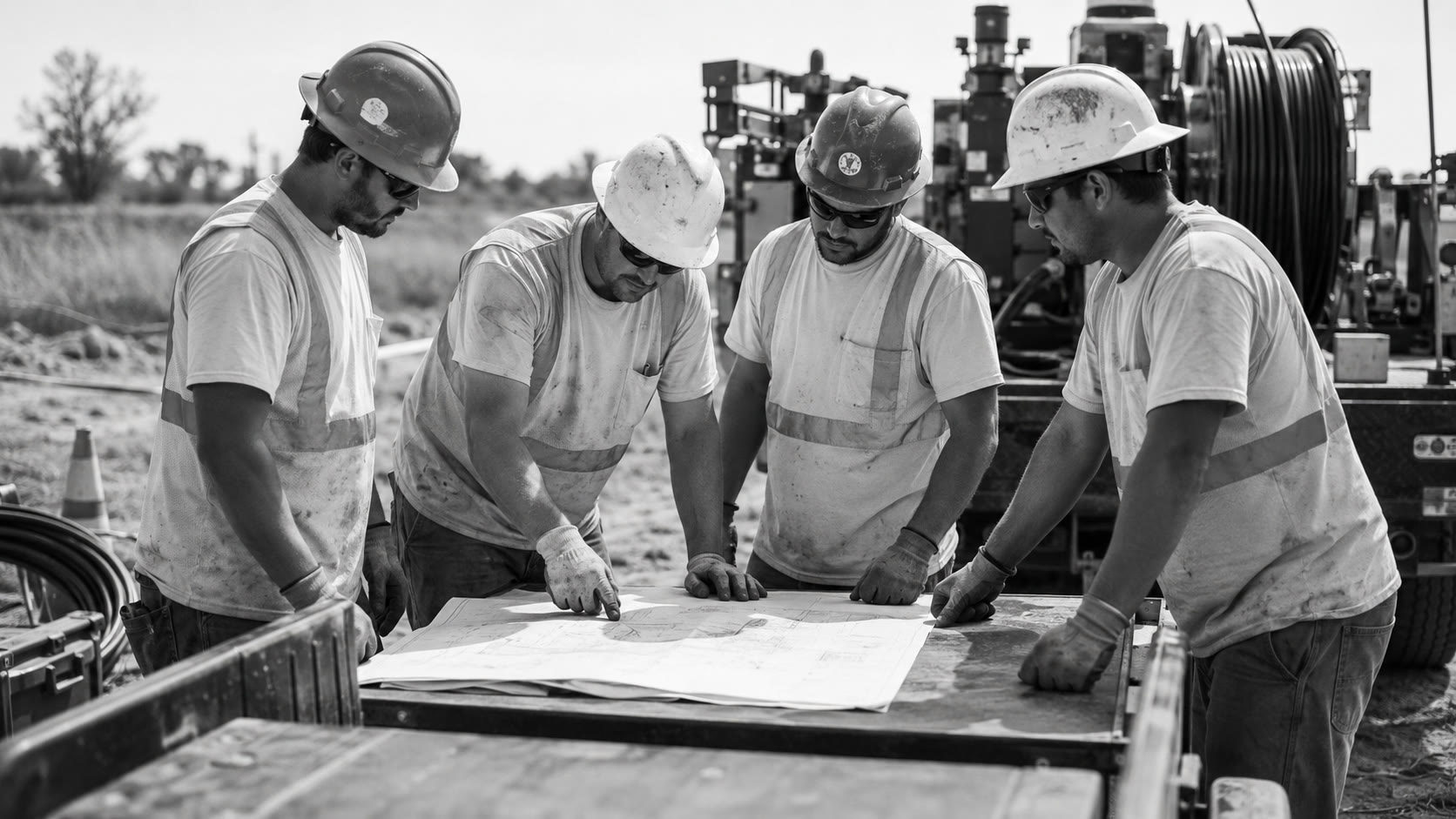
Separate what the subcontractor must provide from what the prime contractor will furnish. Construction prints, materials, traffic control, permits, locates, bucket equipment, splice support and testing may sit with different parties. Written responsibility removes expensive assumptions before deployment.
Minimum scope package
- Market and route location
- Construction type and measurable quantities
- Target production and planned working hours
- Requested start date and anticipated duration
- Material, equipment and supervision responsibilities
- Closeout and acceptance requirements
2. Match experience to the field method
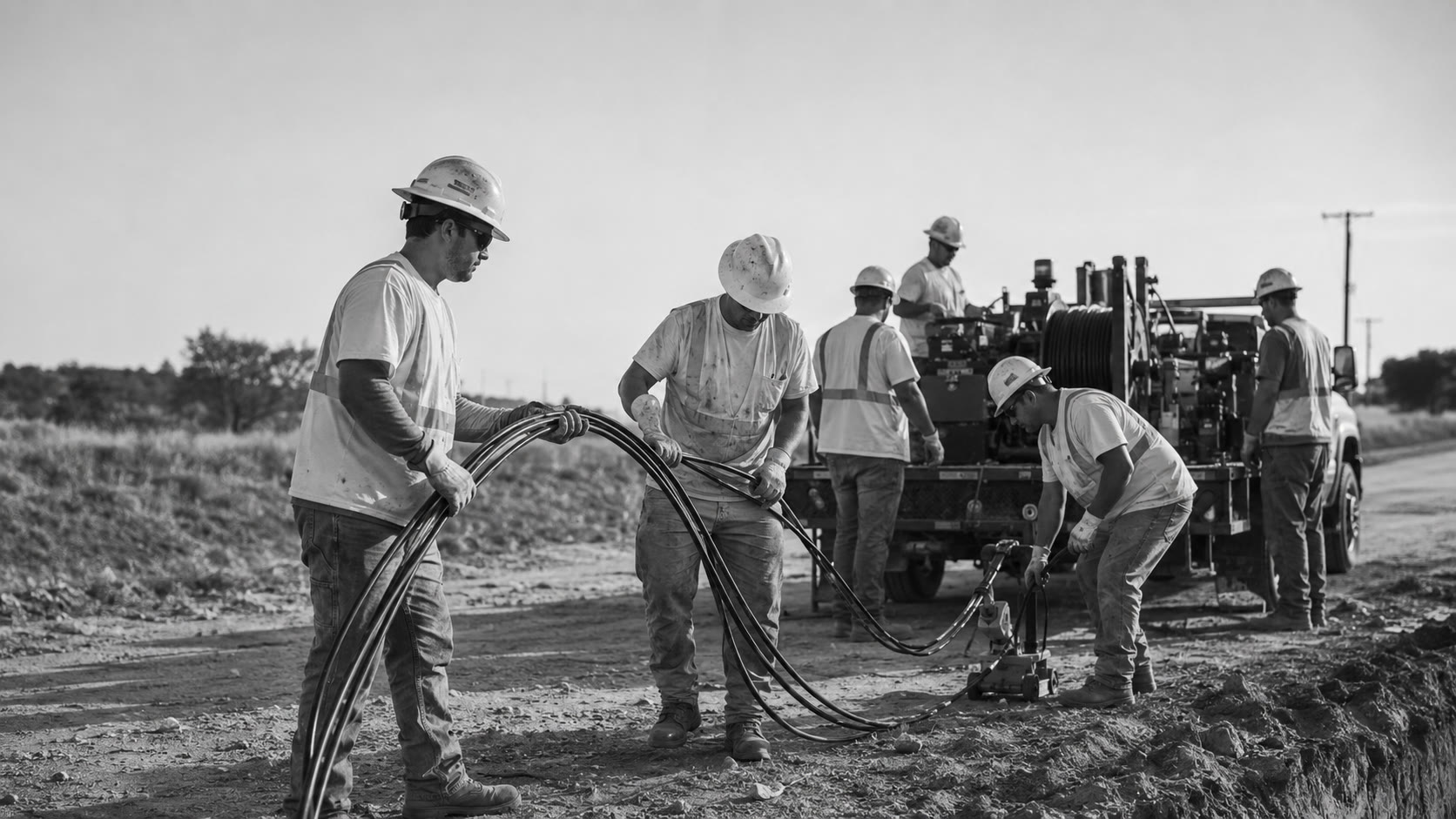
General telecom experience does not automatically translate to every placement method. An aerial assignment may require pole climbing, gaff experience, lashing or overlash familiarity. Underground work may depend on conduit access, handhole setup, reel handling and controlled pulling. Ask for examples that resemble the proposed scope.
References and project photos can help confirm relevant exposure, but they should be discussed in context. Clarify what the crew personally performed, which equipment it used and how production was measured. Brandstein Group crew experience includes projects involving networks operated by Frontier, Brightspeed, Comcast and Spectrum / Charter Communications.
3. Verify vehicles, tools and equipment
A self-sufficient crew should be able to provide a practical equipment list for the assignment. The list will vary by scope, but it should account for cable handling, route access, basic field tools, required personal protective equipment and transportation. Any major project-furnished equipment should be identified before the commercial agreement is complete.
Equipment condition and availability matter as much as ownership. Ask how breakdowns are handled, which items require inspection records and whether replacement resources are available. This is particularly important when the crew will mobilize far from its home market.
4. Align safety and onboarding requirements
Safety-compliant performance depends on project-specific alignment, not a generic statement. Before mobilization, provide onboarding requirements, documentation deadlines, site rules, hazard communication, daily briefing expectations and the chain of authority for stopping or correcting work.
For aerial assignments, confirm the approved climbing and access method. For underground work, align responsibilities around traffic exposure, handhole or manhole access, utility coordination and pathway readiness. The prime contractor and subcontractor should both understand how incidents, near misses and field changes are reported.
5. Agree on production reporting and quality
Daily reporting is the bridge between field activity and project control. Define what counts as completed production, which photos are required, how footage or units are recorded and who approves exceptions. If the project uses a mobile platform or specific naming convention, include that requirement during onboarding.
Quality expectations should be measurable. Construction prints, cable handling requirements, slack locations, labeling, cleanup and closeout packages should have an identified acceptance process. A crew should know whether another team performs splicing and testing or whether those activities are part of its own assignment.
6. Confirm commercial and mobilization details
Rates are only one part of the commercial fit. Align travel, lodging, fuel, mobilization, minimum duration, invoicing, retainage, payment schedule and the process for approved extra work. The requested start date should allow enough time for documents, onboarding, route review and equipment preparation.
A strong subcontractor conversation ends with a short written summary: who is going, what they are doing, what they are bringing, when production starts, how work is accepted and who resolves issues. That clarity protects both parties and makes a long-term relationship possible.
Need a field-ready fiber crew?
Brandstein Group provides self-sufficient aerial and underground fiber construction crews for projects across the United States.
Review subcontractor crew support